A Global Crisis Triggered by War
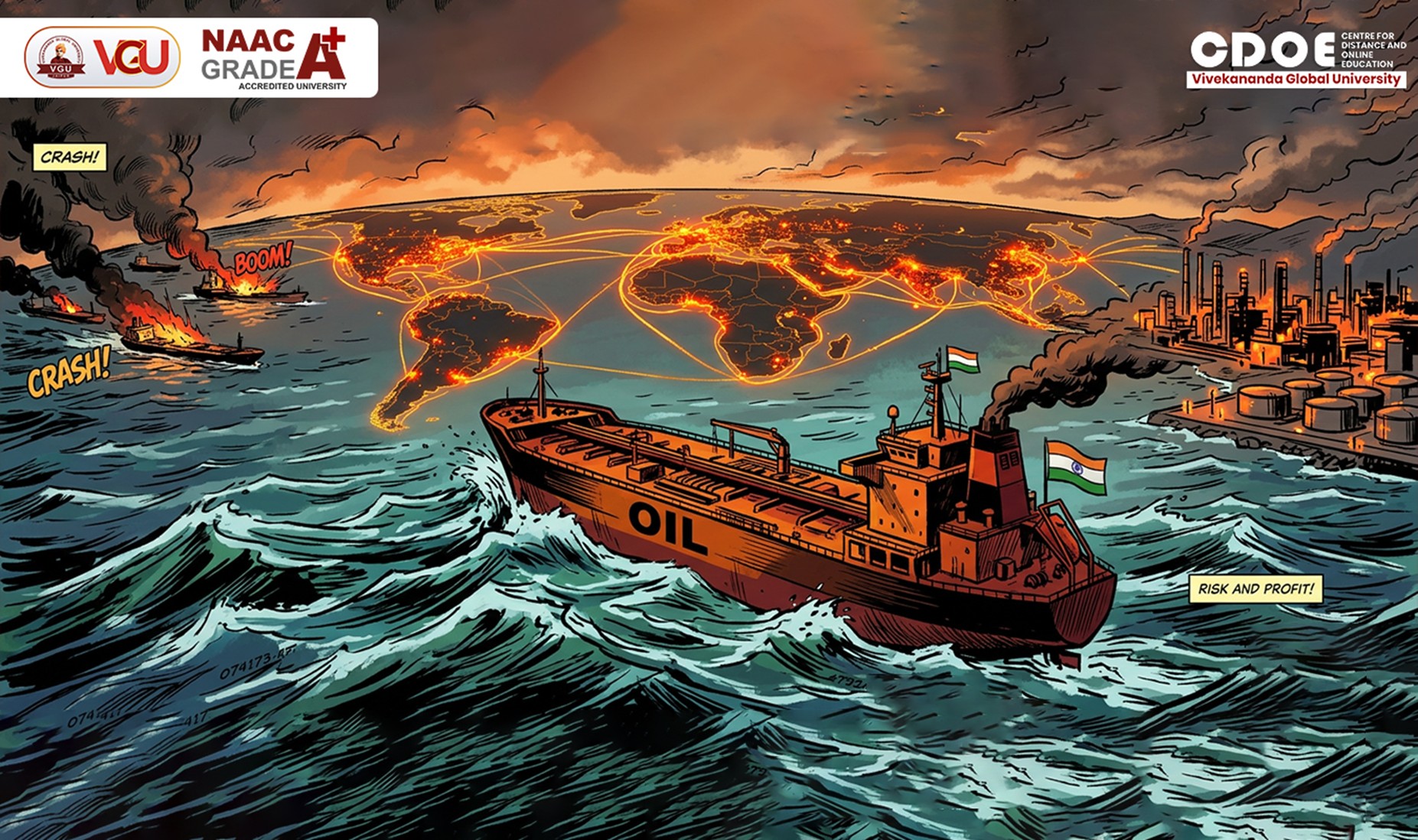
Iran–US conflict was a shock to all global oil markets. One of the major issues raised during this war was the disruption of key oil transit routes, especially the Strait of Hormuz. This narrow passage handles a significant portion (Approx 20% ) of the world’s oil supply. Any blockage or instability here directly impacts global fuel availability.
Consequently:
- Oil and gas supplies have squeezed
- Fuel prices have surged worldwide
- Several countries are struggling with shortages
India’s Strategy:
India imports around 85–90% of its crude oil, making it vulnerable to global disruptions. Yet, the situation on the ground remains controlled rather than chaotic.
What’s happening right now in India:
Fuel is available across most parts of the country but prices are fluctuating, although it’s not skyrocketing uncontrollably. Some regions have reported LPG delivery delays. In short, India is under pressure—but not in crisis mode.
How India Is Managing Better?
1. Diversified Import Network
2. Strategic Petroleum Reserves (SPR)
India has built emergency oil reserves at Visakhapatnam, Mangaluru and Padur . These reserves hold about 5.3 million metric tonnes, enough for 9–10 days of national demand. Combined with commercial stocks, India can manage 2+ weeks of disruption. Apart from this, India has a refining capacity of around 250 million tonnes per year, making it one of the largest refining hubs globally and not only India has shifted a portion of imports away from the Strait of Hormuz but also Increased reliance on longer but safer routes, especially for Russian oil.
Notably, India does not heavily depend on oil for electricity like 70–75% electricity from coal, and is also increasing the use of renewable energy.
India is facing challenges
Despite strong management, global crude price volatility may soon impact domestic fuel prices, delays in LPG cylinder deliveries in some areas may increase the risk of hoarding and black marketing of LPG cylinders. Supply disruptions could affect farming coz fertilizer production depends on natural gas. India still relies on imports for the majority of its oil needs.
Although India maintains strong relations with multiple energy suppliers across geopolitical lines. This allows continued oil imports during conflicts and Better negotiation power on pricing but India should shift its dependency from non-renewable to renewable energy resources and expedite the production of EVs. Therefore, Govt should provide subsidies on EV purchases just to increase the Demand & Production in the country.